Lausitzer Findlingspark Nochten

The Findlingspark - a particulary surprising example of recultivation

Site Description

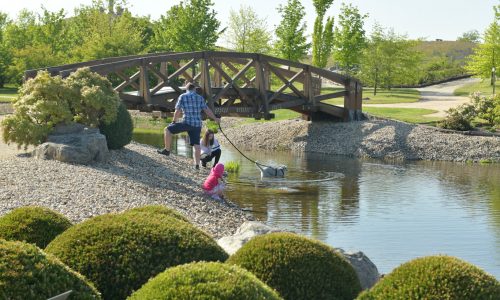
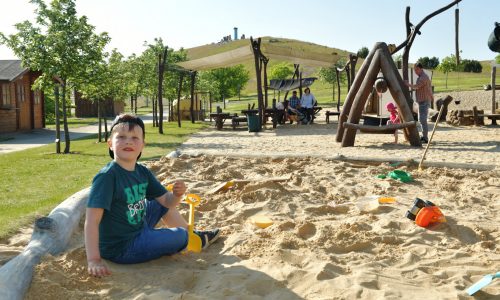
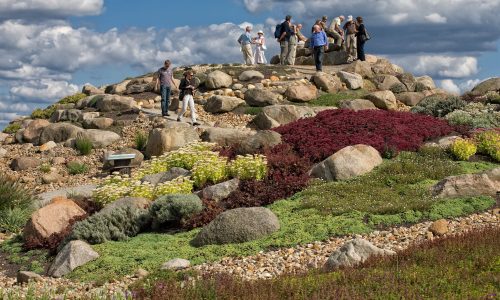
The Lausitzer Findlingspark Nochten is situated at the southern of the the UNESCO Global Geopark Muskauer Faltenbogen / Łuk Mużakowa. The park, a fine example of post-brown coal mining recultivation, was built in 2003 using approximately 7,000 glacial erratics over an area of 20 hectares. Along its approximately 3 km of paths, the interests of Geology and Botany enthusiasts, but also whole families are catered to by a range of attractions. The park was created through the relocation of Scandinavian erratics which were brought to Lusatia in the last glacial period. Seven distinct areas can be identified: the rockery, aquatic garden, heather garden, moorland, forest lake, rock garden with Alpine flowers and Little Scandinavia. In addition, there is a children’s play area – the “desert” – in which young explorers can find little treasures buried in the sand.

Data

Locality

Německo

Terrain difficulty

2 / 5

Time required

5 hours.

Elevation difference

20 m

What will you see here?

Nochten

1

Hunting for treasure in the play area
Nochten

2

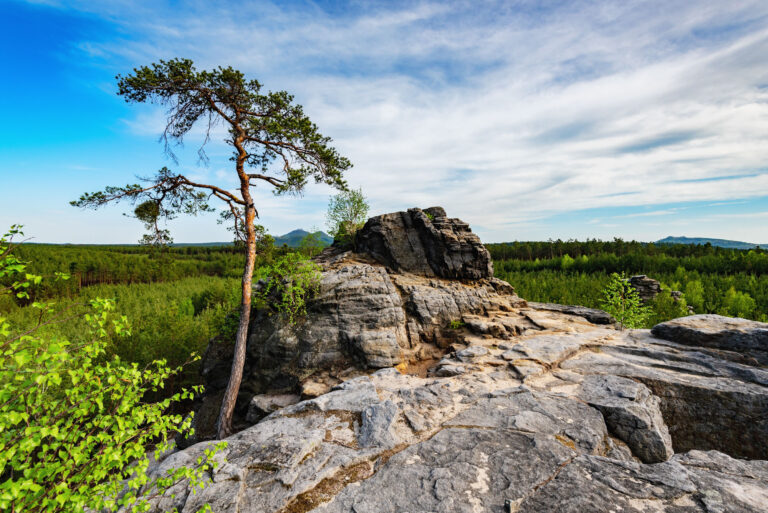
Rockery

Nochten

3

Bridge in the aquatic garden

Do you know that...

Did you know that the largest findling in the park is composed of gneiss with a mixture of granite? It weighs a little over 30 tonnes, the equivalent of five african elefants!

For Curious Minds

Zatím tu nic není.

How to Reach Us

From Dresden/Bautzen take the A 4 motorway. Then follow the B 156 for approximately 35 km, before turning right in the direction of Nochten and following the signs to the park. From Berlin and Cottbus take the A 16, followed by the B 115 and the B 156. From Görlitz take the B 115, followed by the B S126 and the B 156. A visitor parking lot for cars and coaches is located directly in front of the park entrance (charges apply).

Site Photo Gallery

DISCOVER OTHER GEOPARK SITES

Each place is unique and hides many layers. Come with us and explore the restored wilderness area.