Cobbles (Czaple)

Building material from the ice age: fieldstones that have been used since the 12th century.

Site Description

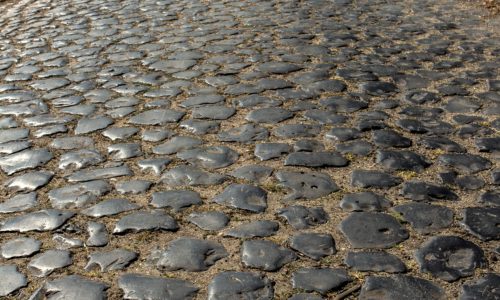
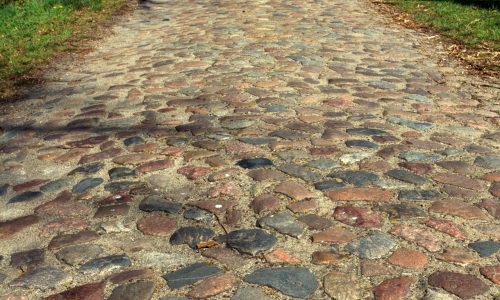
The present-day landscape of the Muskauer Faltenbogen has been distinctively shaped by glacial forces. The ice sheets advancing from Scandinavia ripped material from the bedrock and transported it southwards. Due to its high availability in the Muskauer Faltenbogen, this material has long been considered a valuable natural resource and utilised in the construction industry. Beside conventional buildings such as churches and residences, cobbled streets and paths also count among these fieldstone structures. In the area of the geopark exist a number of these streets which have been preserved unchanged but largely covered with tarmac. Examples include the very well-preserved cobbled street near Czaple made of basalt and fieldstones, a byproduct of ore smelting.

Data

Locality

Německo

Terrain difficulty

1 / 5

Time required

1 hours.

Elevation difference

0 m

What will you see here?

Czaple

1

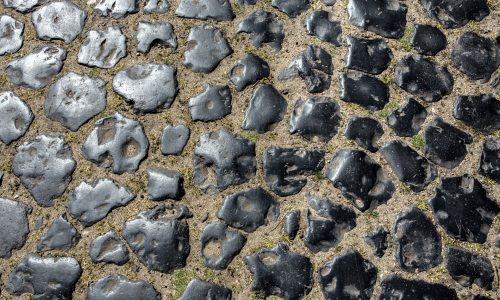
Cobbles: Chunks of iron slag have also often been used in the construction of cobbled streets.
Czaple

2

This material is a mixture of completely different rocks of diverse shape and size.
Czaple

3

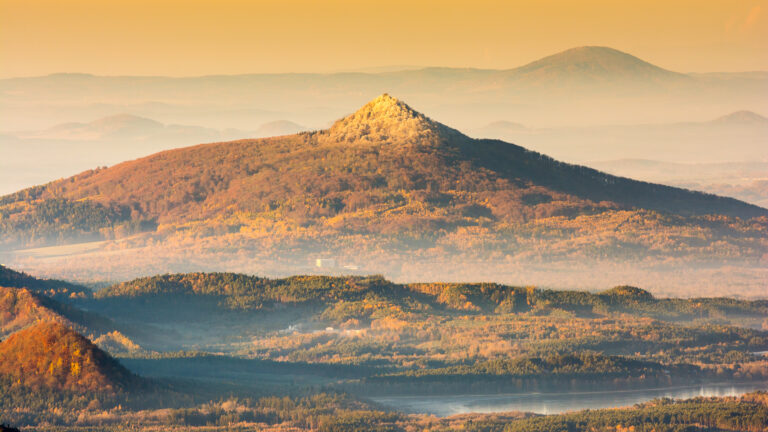
Cobblestones. Very slippery when wet!
Do you know that...

Did you know that these rocks are today called “Nordic drift”, “glacial erratics” or “erratic blocks”? The Latin word “errare” can be translated as “to wander aimlessly” and is used to highlight the fact that these rocks do not actually belong where we find them today.

For Curious Minds

Zatím tu nic není.

How to Reach Us

From Łęknica in the direction of Żary, turn right after approximately 2.5 km towards Nowe Czaple (Road 350). You will reach the village of Czaple after approximately 4 km.

Site Photo Gallery

DISCOVER OTHER GEOPARK SITES

Each place is unique and hides many layers. Come with us and explore the restored wilderness area.