Devil’s stone

A mysterious stranger from Scandinavia

Site Description

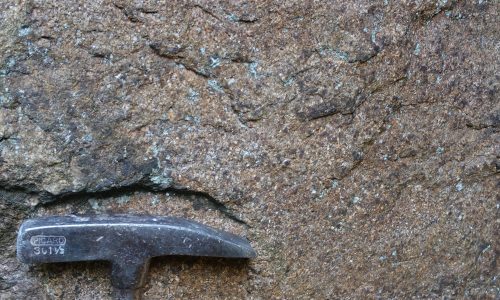
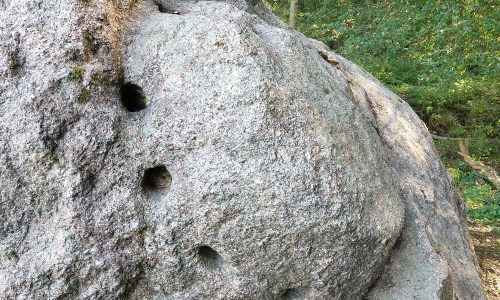
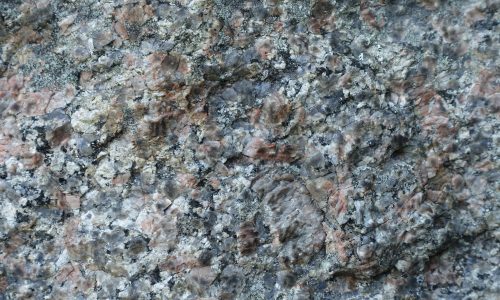
The volume of the devil’s stone has been calculated at 36 m³. Its weight is estimated at 100 tonnes. The rock consists primarily of a course-grained granite, termed pematite, which is characterised by the easily identifiable 1-3 cm large potassium feldspar crystals (microcline). The pegmatite is accompanied by a fine-grained gneiss, recognisable by its brownish colour and often smooth surfaces (cleavage surfaces). The devil’s rock comes from Scandinavia (Finland, Sweden), although its precise origin cannot be determined. It is approximately 1.8-2.0 billion years old. The name “devil’s stone” has its roots in a legend. Long ago, the devil in human form is said to have attempted to marry the beautiful daughter of a miller. The miller’s wife, however, recognised the devil and thwarted its efforts. In anger, the devil hurled a large stone at the mill, narrowly missing its target.

Data

Locality

Německo

Terrain difficulty

2 / 5

Time required

0.3 hours.

Elevation difference

15 m

What will you see here?

Teufelstein

1

The devil's stone has been worked by man. It has been suggested that this feature could represent a kind of solar symbol.
Teufelstein

2

The coarse-grained granite

Teufelstein

3

The fine-grained gneiss

Do you know that...

Did you know that, according to the belief of the early Slavs, the stone did not itself represent an object of veneration, but rather only a component, a treasure chamber of supernatural power?

For Curious Minds

Zatím zde není nic ke stažení.

How to Reach Us

Access to Kamienica nad Nysą (Pl), follow the signs to Teufelsstein

Site Photo Gallery

DISCOVER OTHER GEOPARK SITES

Each place is unique and hides many layers. Come with us and explore the restored wilderness area.